Meeting with millet champions
May 2025
Co-creation and Learning
Trust Ownership Accountability Agility
In our Smart Foods initiative, co-creation and learning form the foundation of engagement with farming communities. We work closely with local stakeholders to exchange knowledge, build capacity, and co-develop practical solutions that improve agricultural practices and strengthen community resilience.This participatory approach ensures that innovations are locally relevant, culturally appropriate, and sustainable in the long term. By fostering continuous dialogue and hands-on collaboration, we empower communities to take ownership of the process and drive meaningful, lasting impact across the value chain.
Cultural Fit Study (Grenat / Cultivation)
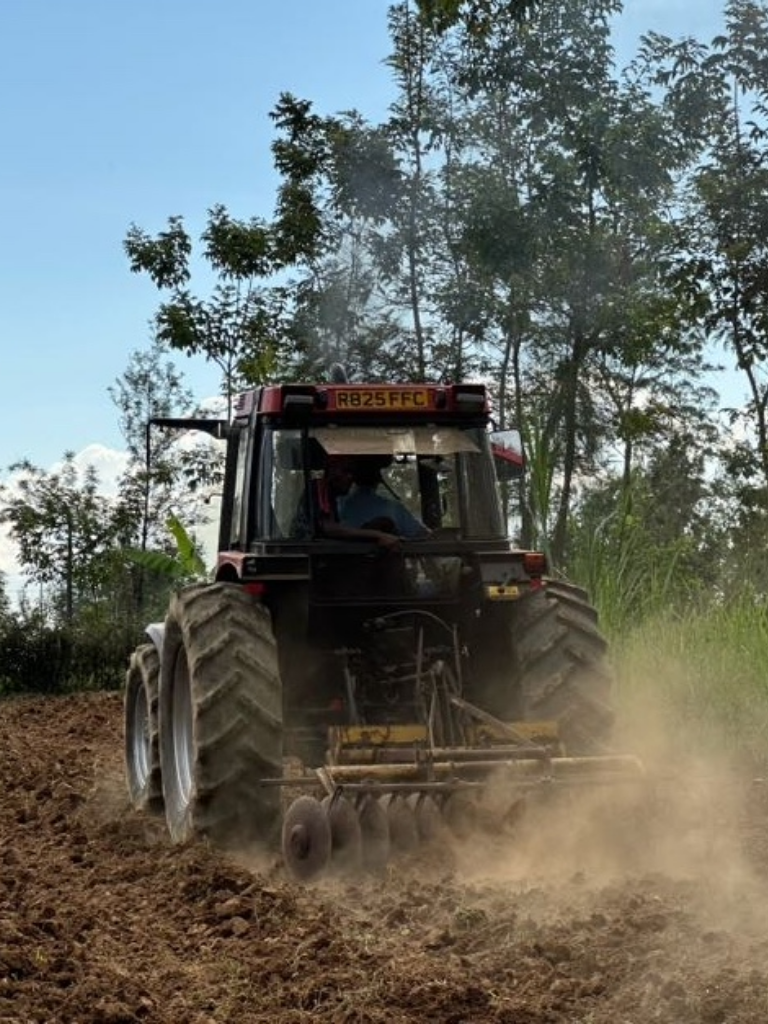
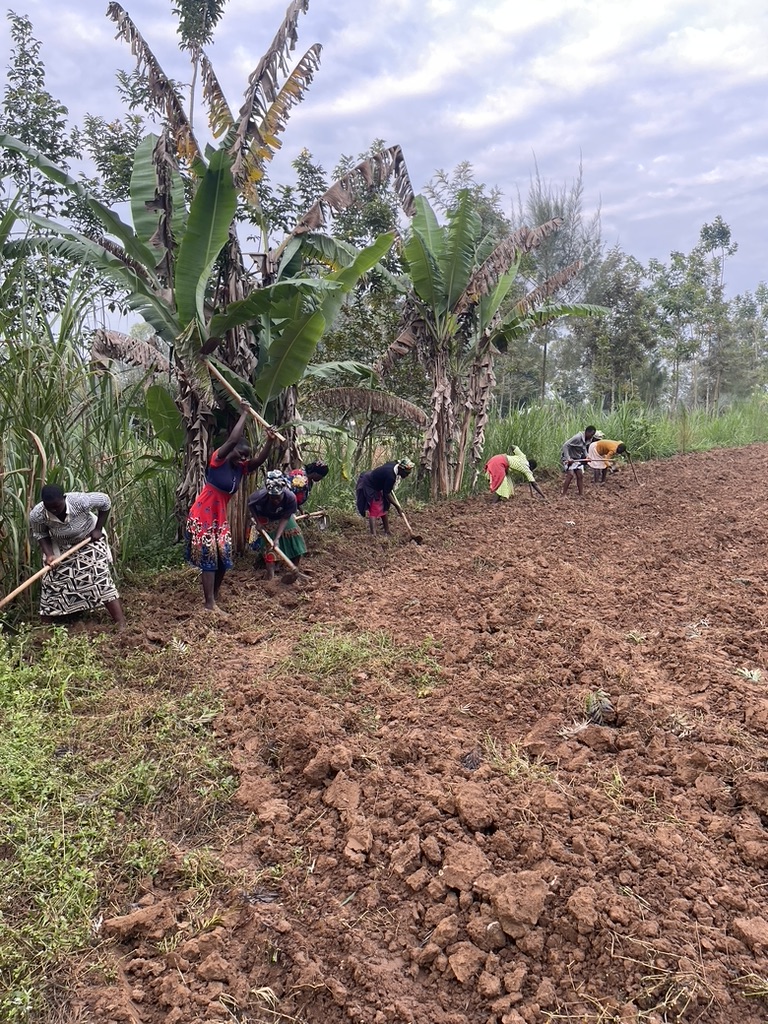
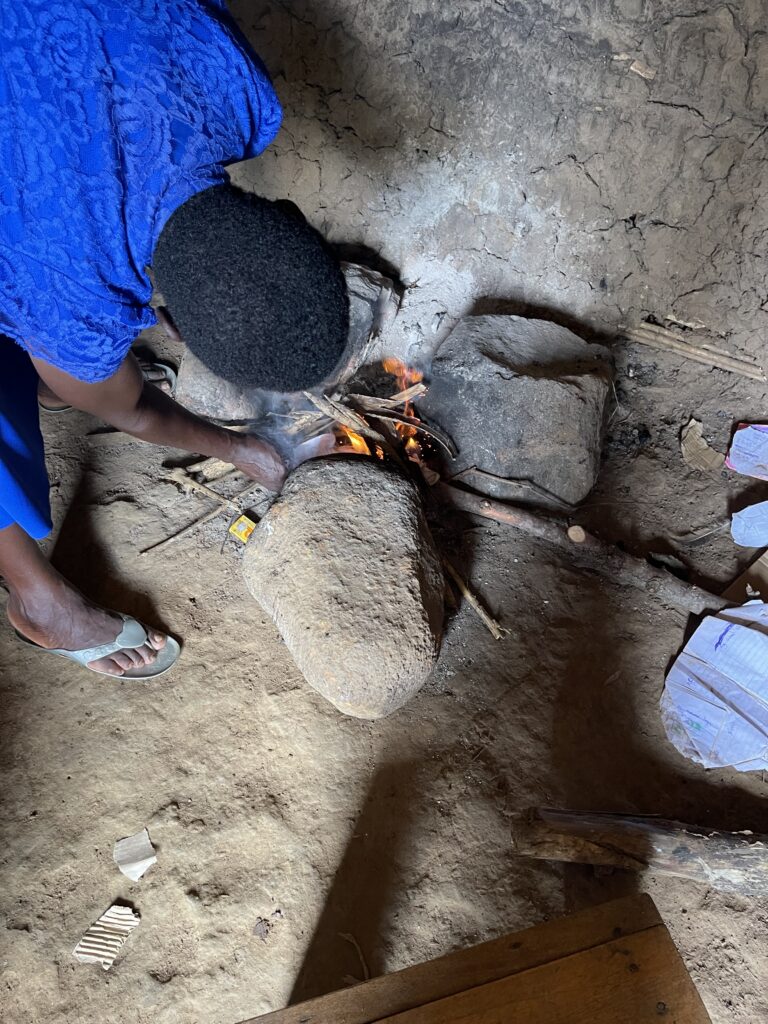
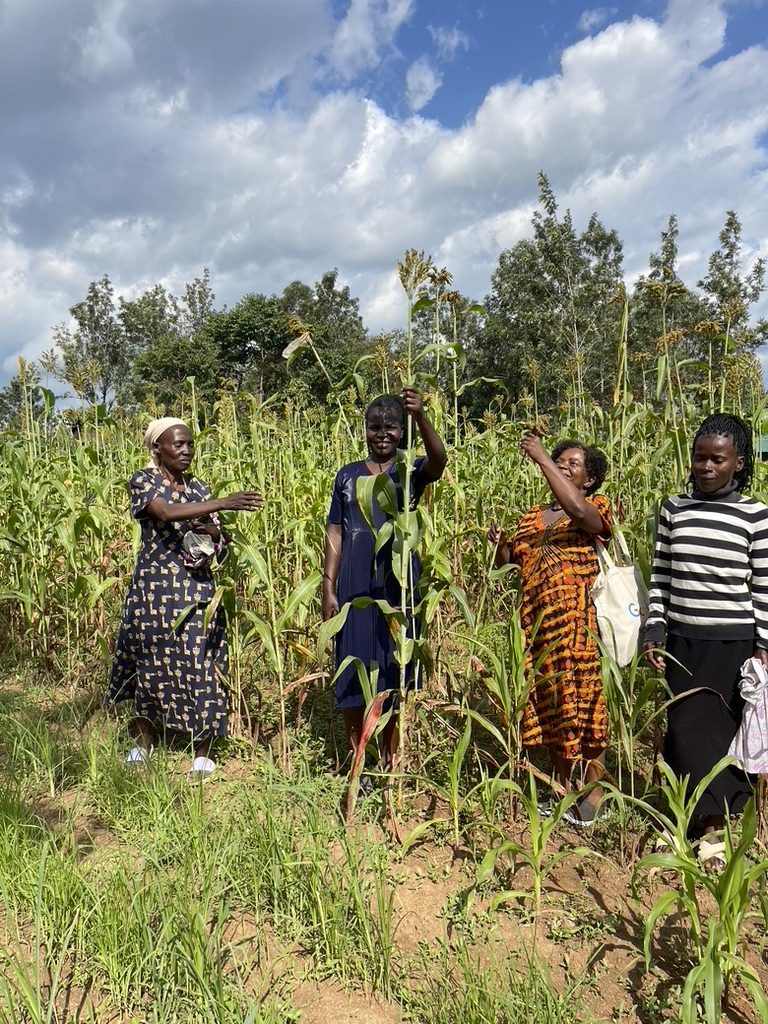
The Cultural Fit Study with Grenat focuses on understanding local farming practices, traditions, and agro-ecological conditions to ensure that introduced solutions align with community realities. Through field visits and direct engagement with farmers during cultivation, we assess how millet varieties and farming methods integrate with existing knowledge systems. This approach helps us co-design interventions that respect cultural practices while improving productivity, sustainability, and acceptance at the grassroots level.
Post Harvest Handling
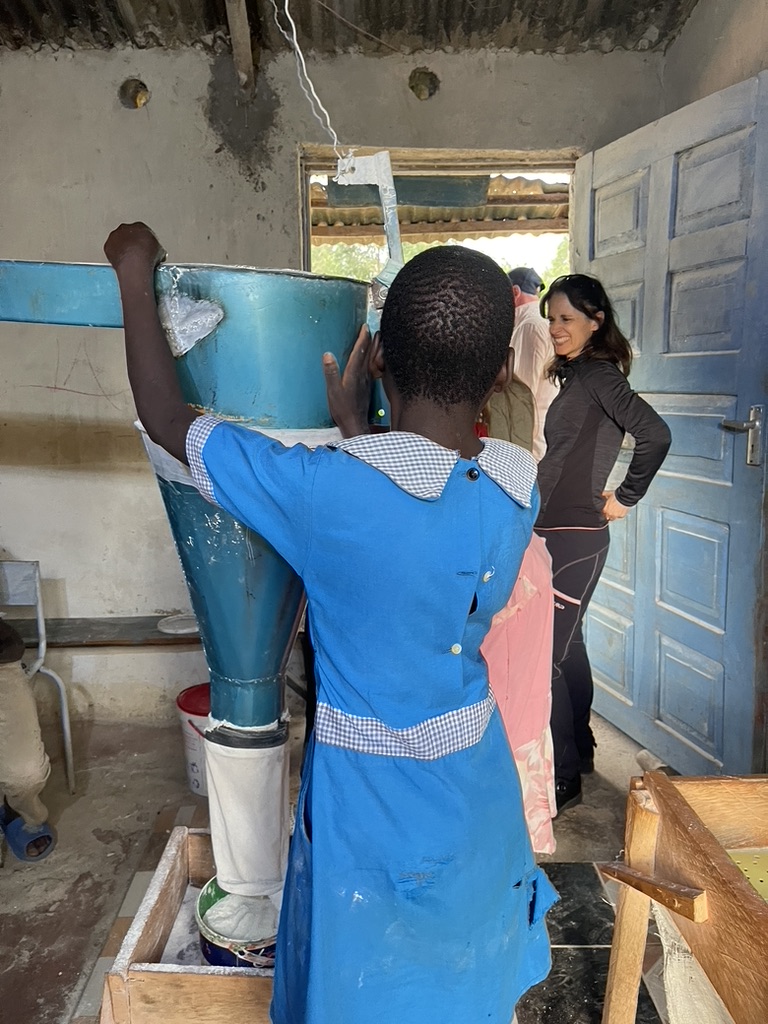
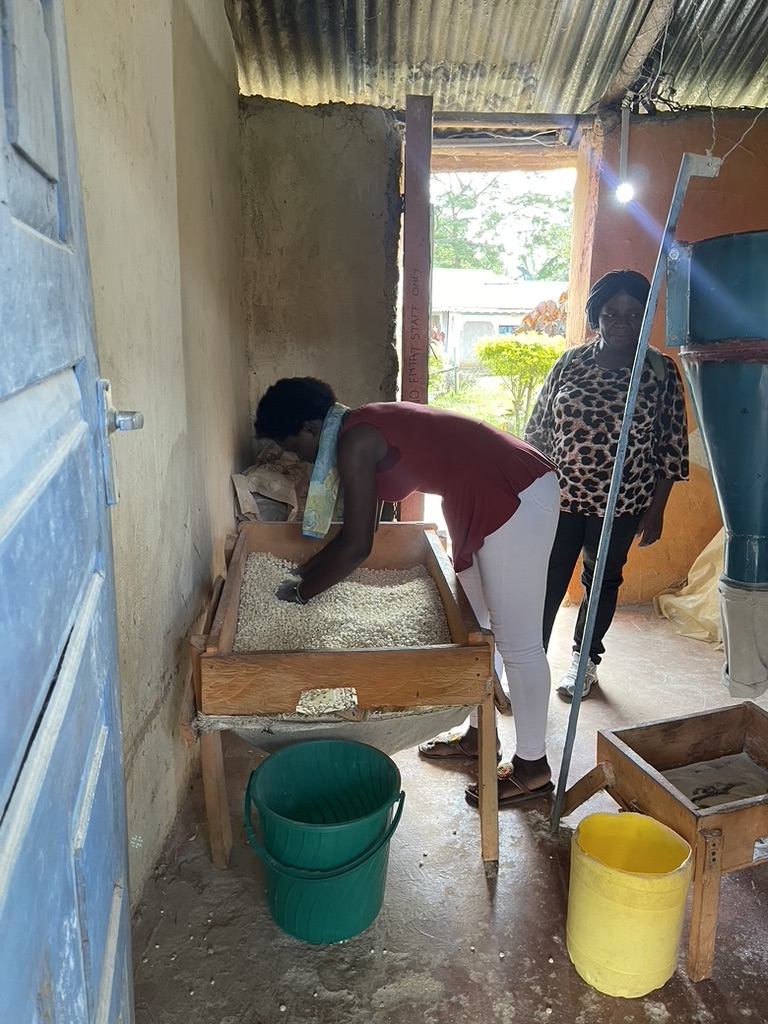
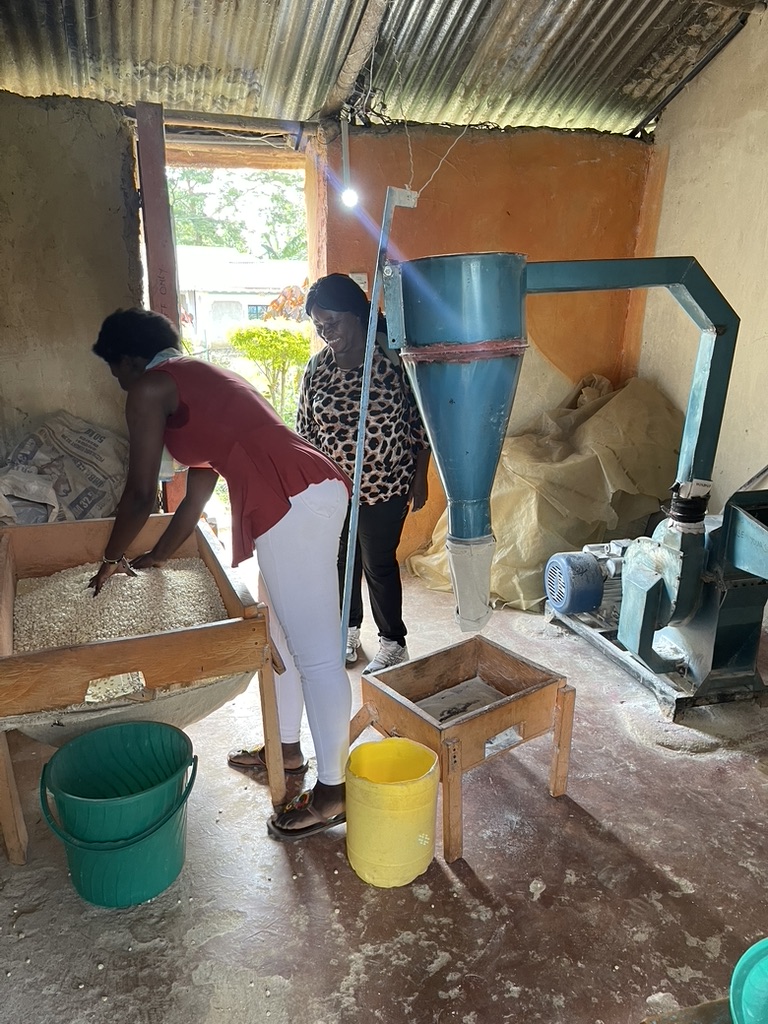
Post-harvest handling plays a critical role in preserving the quality, safety, and nutritional value of millets after harvest. In this phase, we work closely with farming communities to improve traditional practices through better techniques for threshing, cleaning, drying, and sorting. The focus is on reducing grain loss, preventing contamination, and maintaining optimal moisture levels to ensure long-term storage stability. By introducing simple, efficient, and locally adaptable methods, we strengthen the post-harvest value chain and help farmers achieve better quality output and improved market readiness.
Storage Solutions
Storage solutions are essential to ensure harvested millets remain safe, dry, and protected from pests and moisture over time. We support communities in adopting improved and locally appropriate storage methods that reduce post-harvest losses and maintain grain quality. This includes the use of airtight containers, improved traditional storage systems, and simple protective measures that are easy to implement at the household and community level. By strengthening storage practices, we help farmers preserve the value of their harvest, improve food security, and ensure better access to markets throughout the year
Cooking & Millet Champions
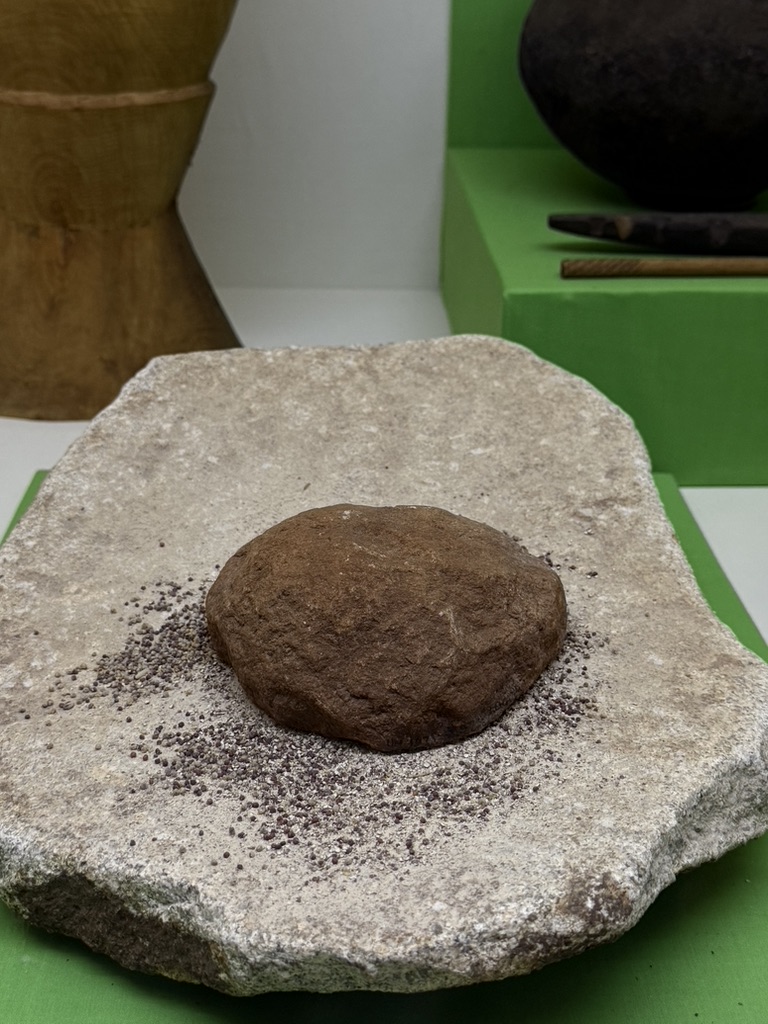
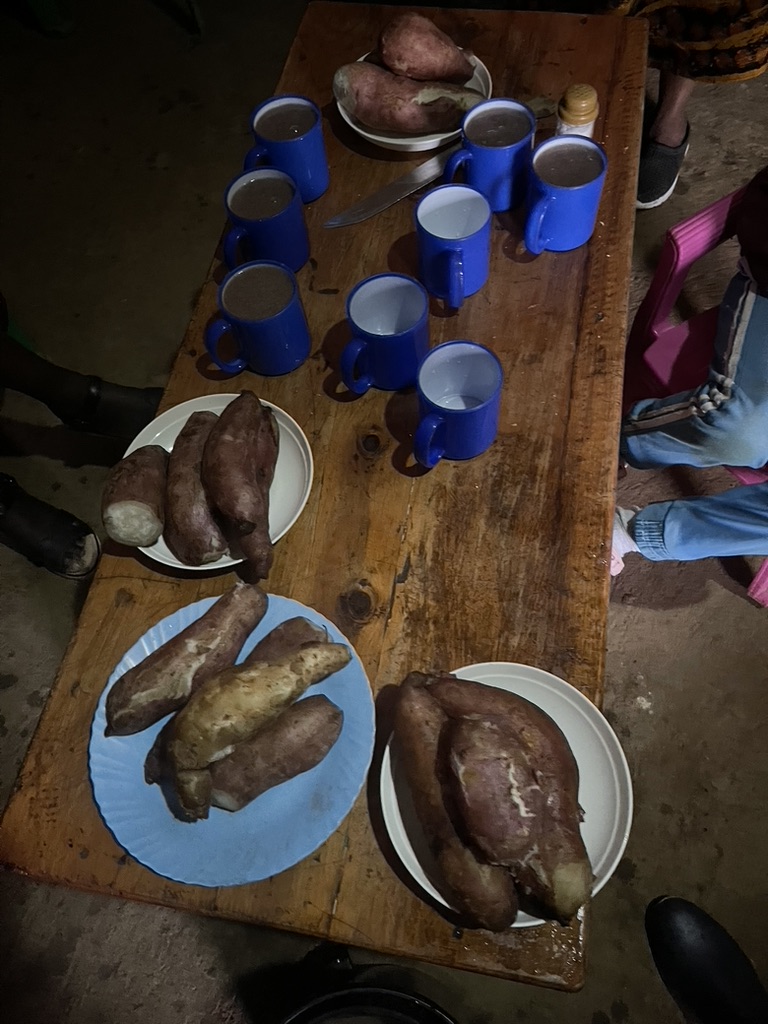
Cooking and millet champions highlight the role of food preparation and community leadership in promoting the consumption of millets. Through shared cooking sessions, demonstrations, and knowledge exchange, communities explore nutritious and culturally relevant millet-based recipes that support healthier diets. Millet champions—local individuals who advocate for millet consumption—play a key role in inspiring others, sharing practical knowledge, and sustaining awareness at the grassroots level. This collective effort not only strengthens food culture but also promotes nutrition, especially among families, children, and vulnerable groups.
Millet Champions (May 2025)
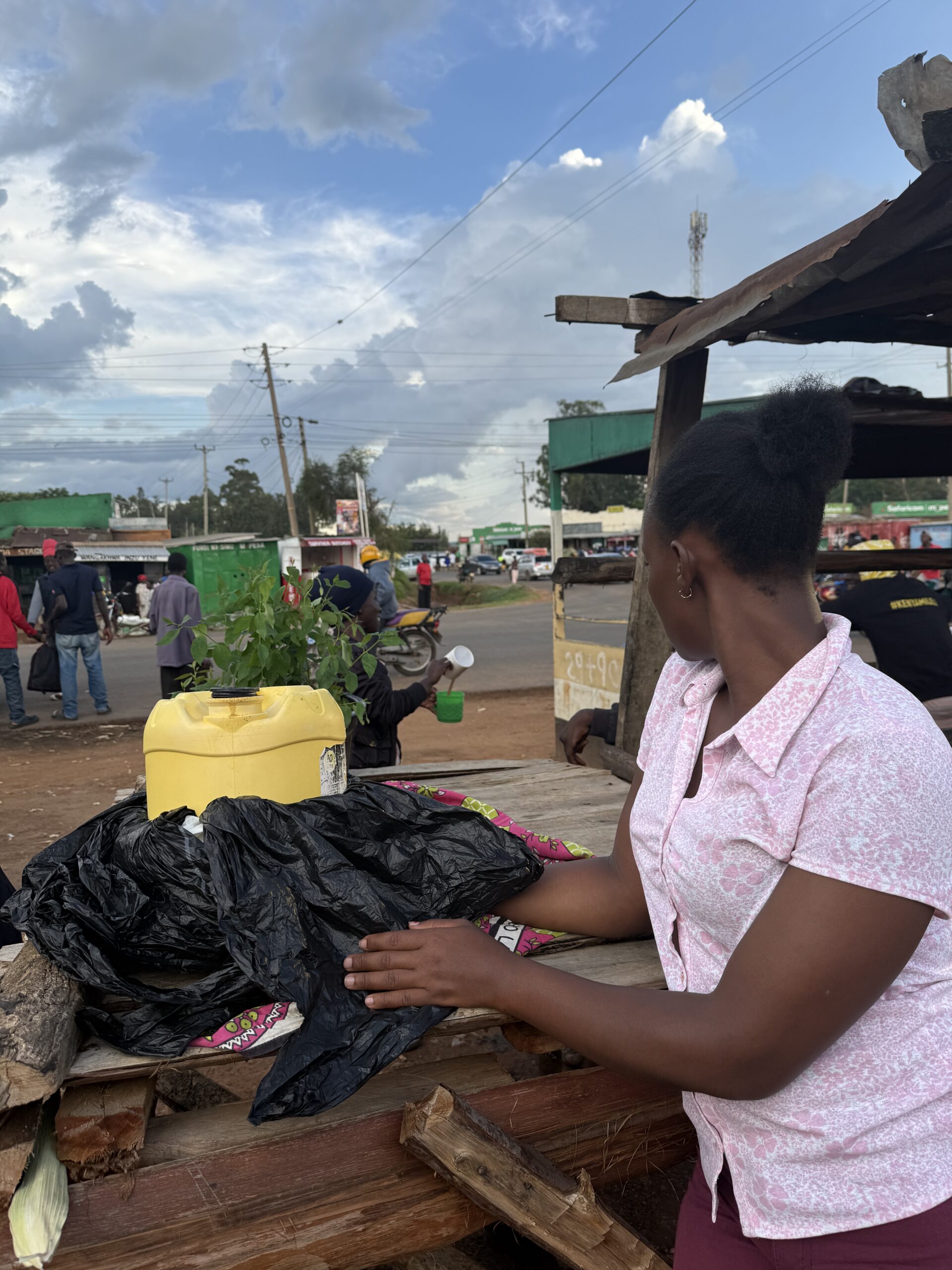
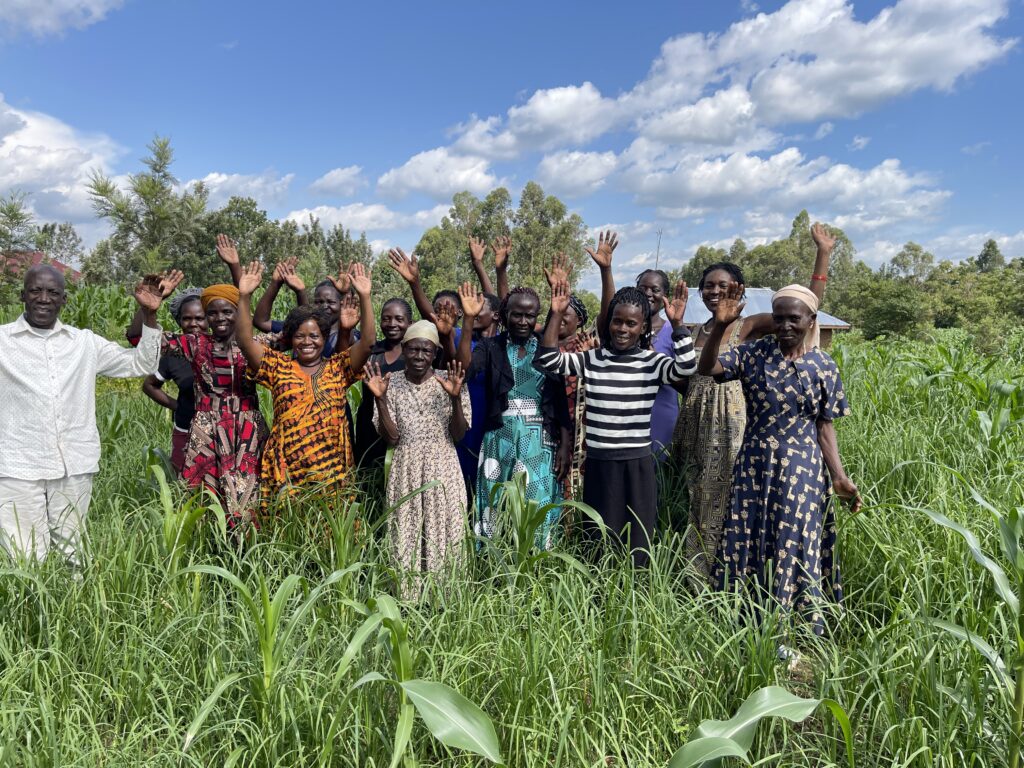
The Millet Champions gathering in May 2025 celebrated the dedication and efforts of local farmers and community members who actively promote millet cultivation and consumption. This event brought together key stakeholders to recognise their contribution to strengthening sustainable agriculture, improving nutrition, and preserving traditional knowledge. It also served as a platform for experience sharing, where champions exchanged practical insights, challenges, and success stories from the field. By highlighting their role as local change-makers, the initiative reinforces community ownership and inspires wider adoption of millet-based farming and food systems.
Post Harvest Solutions (Thresher)
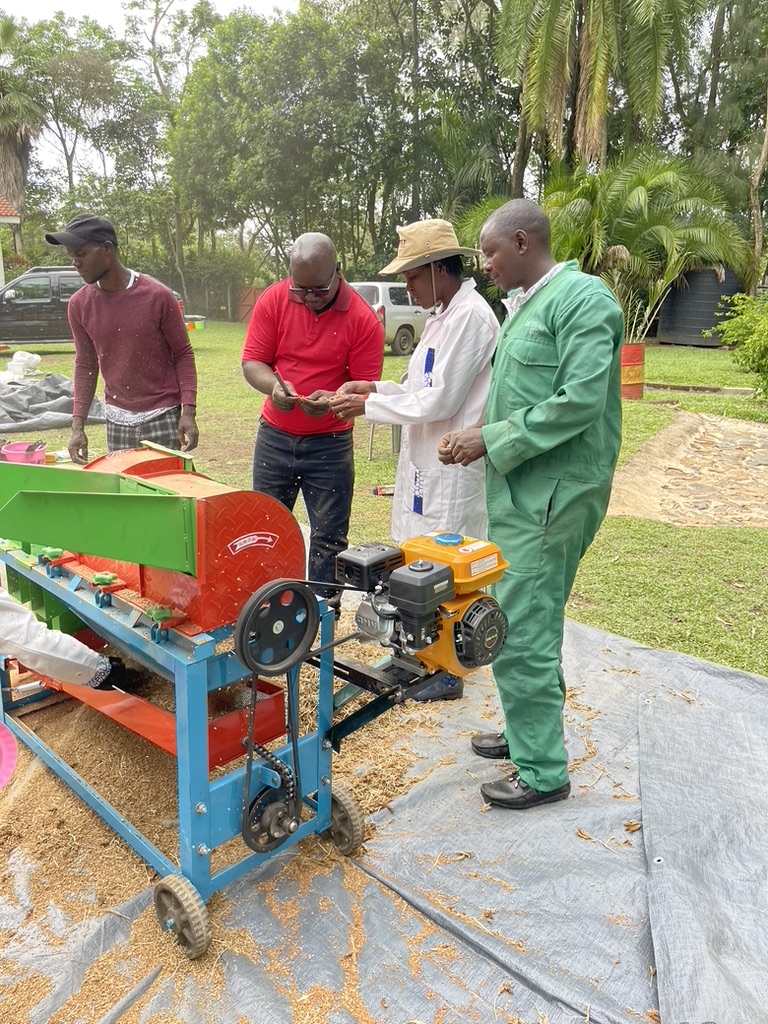
The introduction of the thresher as a post-harvest solution represents a significant step towards improving efficiency and reducing manual workload in millet processing. This simple yet effective technology helps farmers separate grains more quickly and with less loss compared to traditional manual methods. By improving speed, consistency, and grain quality, the thresher enhances overall post-harvest productivity and reduces drudgery, especially for smallholder farmers. Its adaptability to local conditions makes it a practical solution that supports better income opportunities while strengthening the overall value chain.